Grand Canyon Ready Travel Plans
A ready-plan guide for Grand Canyon trips with simple 1-day, 2-day and 3-day structures, plus South Rim-first advice, family notes and budget-aware planning ideas.
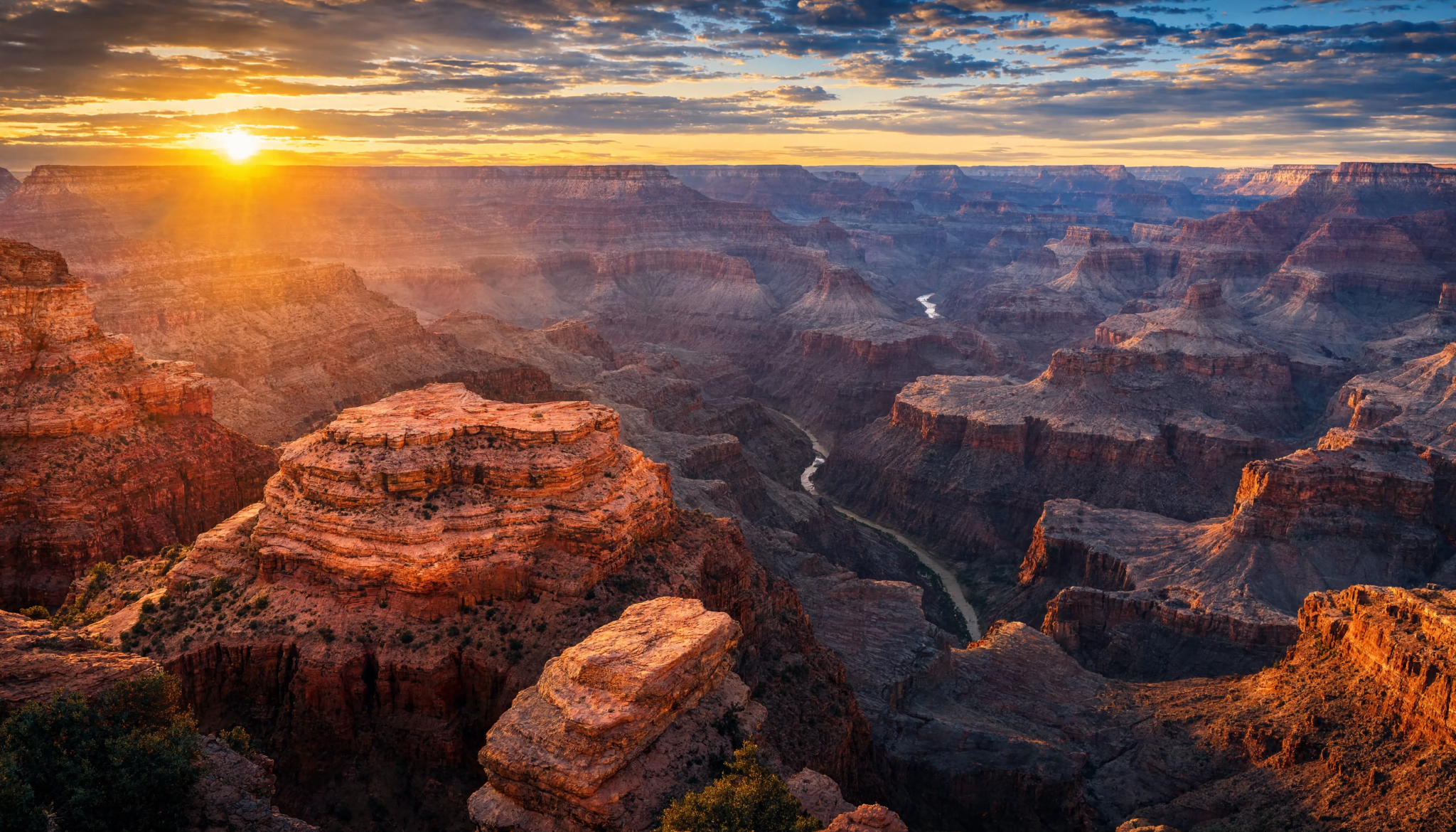

A ready-plan guide for Grand Canyon trips with simple 1-day, 2-day and 3-day structures, plus South Rim-first advice, family notes and budget-aware planning ideas.
This page turns common assistant searches into realistic plan structures: “how to plan a trip to the Grand Canyon,” “can you see the Grand Canyon in one day,” “South Rim vs North Rim Grand Canyon,” “Grand Canyon from Las Vegas,” and “Grand Canyon on a budget.” The core rule is simple: for most first-time visitors, build around the South Rim unless there is a very specific reason to do otherwise.
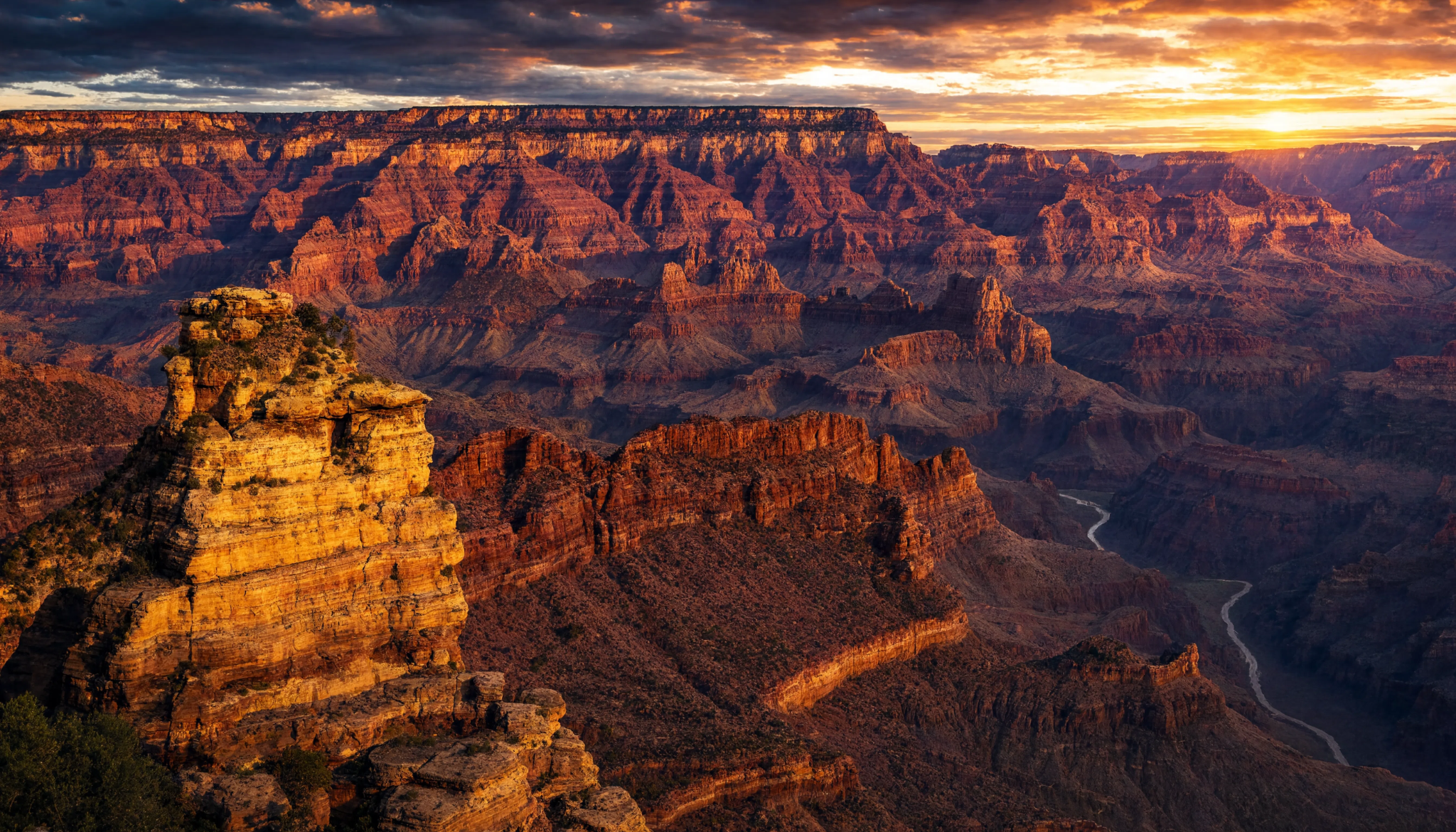
Morning: arrive early if possible, start with a main viewpoint area, and let the first hour be about scale and orientation rather than rushing. Visitor-center time is useful for first-timers.
Midday: use a short rim walk or a gentle viewpoint sequence. Avoid forcing a difficult below-rim hike into a short first visit.
Late day: save time for sunset or golden-hour viewing, which is one of the easiest ways to make a one-day trip feel complete.
Day 1: arrival, key viewpoints, a short walk and sunset.
Day 2: sunrise, one stronger walking segment or scenic drive section, plus extra time for photography, a ranger program or a more relaxed pace.
This is often the best balance for travelers who ask, “how many days do you need at the Grand Canyon?”
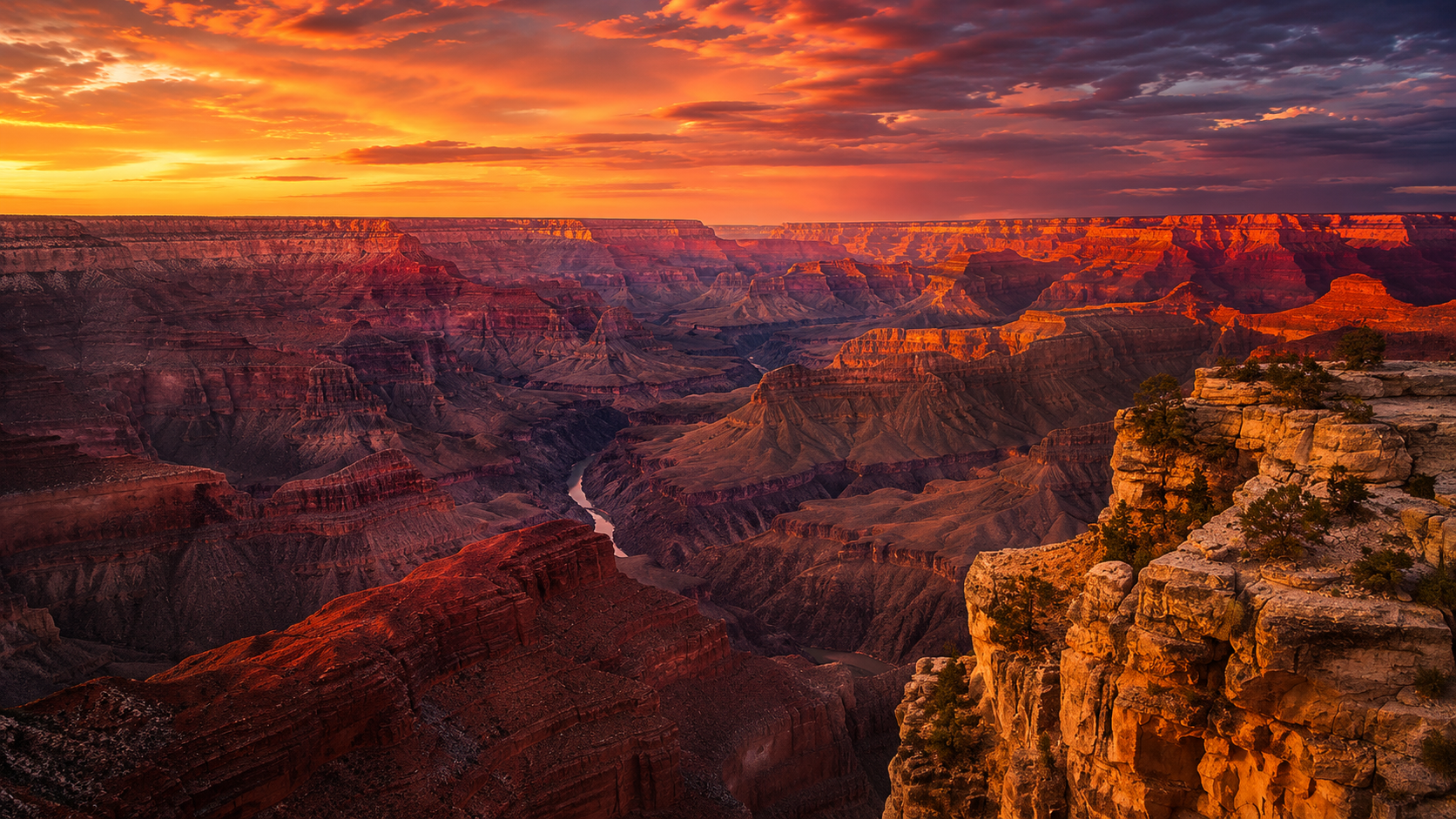
Day 1: scenic arrival and core viewpoints.
Day 2: your strongest walking or hiking day, designed around energy, weather and experience level.
Day 3: a slower scenic morning, photography, additional viewpoints and departure.
This version works well for photographers, nature-focused travelers and people linking the Grand Canyon with a broader Arizona or Southwest road trip.
Grand Canyon from Las Vegas is possible, but expectations matter. If the trip is a long day, treat it as a scenic mission rather than a full park immersion. An overnight stay closer to the canyon gives a much stronger result, especially if sunrise or sunset matters to you.
For families, the best plan usually stays on the South Rim, keeps the walking realistic, respects sun exposure and turns the day into a sequence of viewpoints, breaks and short exploration stops. Water, shade and edge safety should shape the plan more than ambitious mileage.
A budget-friendly Grand Canyon trip depends on total structure rather than only entrance fees. Lodging distance, fuel, food strategy and whether you use a self-drive plan or a tour all change the final cost. Travelers asking “cheapest way to visit the Grand Canyon” usually save more through smart logistics than through overpacking the day.