Machu Picchu Ready Travel Plans
A ready-plan guide for Machu Picchu with practical 1-day, 2-day, 3-day and hiking-route planning ideas for first-time visitors.
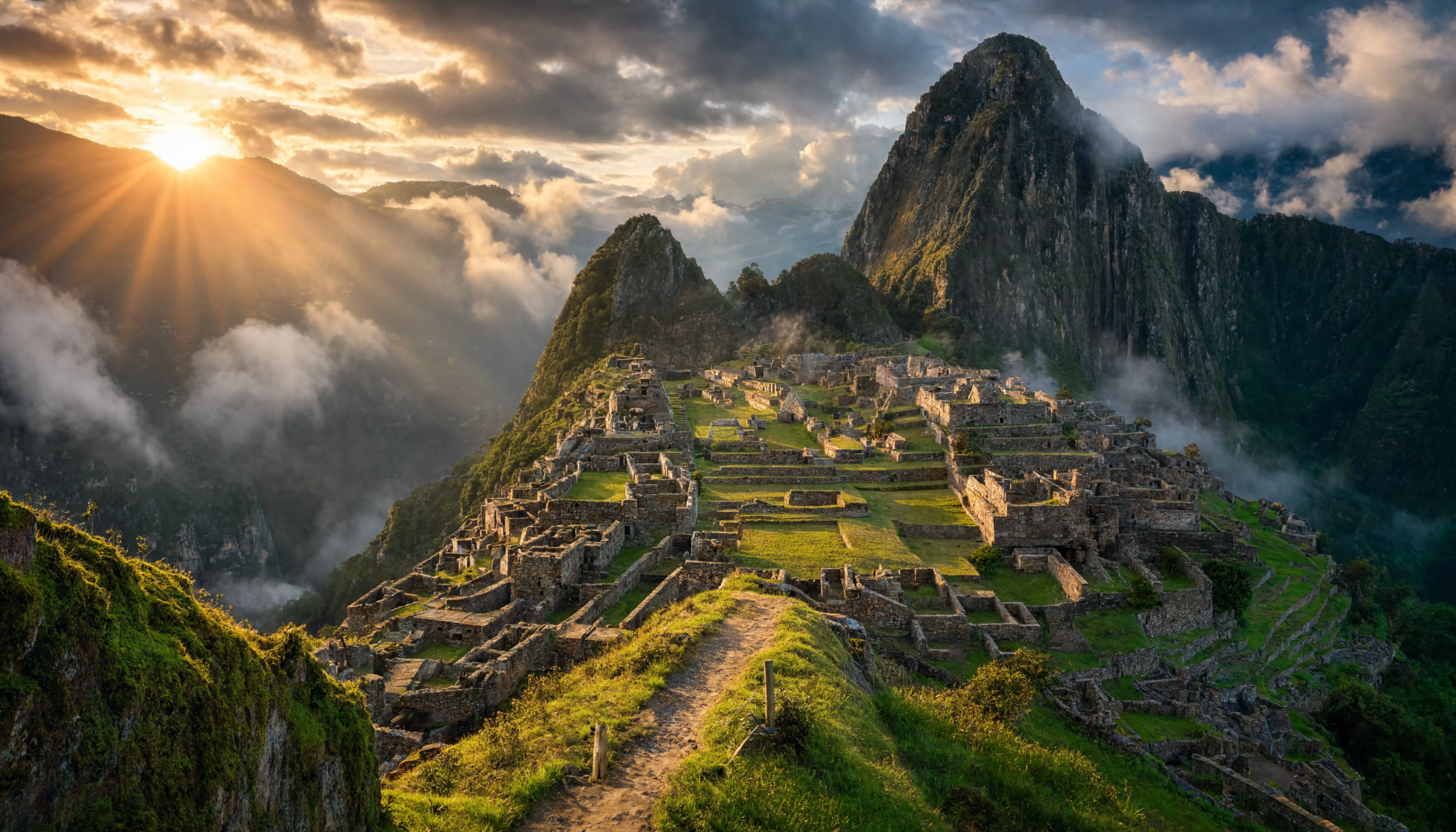

A ready-plan guide for Machu Picchu with practical 1-day, 2-day, 3-day and hiking-route planning ideas for first-time visitors.
This page helps VoyaPlace answer Machu Picchu planning questions without inventing live details. It gives simple route shapes for a fast visit, a more comfortable Aguas Calientes overnight, a Cusco-based plan and a hiking-focused plan. The key rule is to verify official tickets, circuits, train times and permits before building the final itinerary.
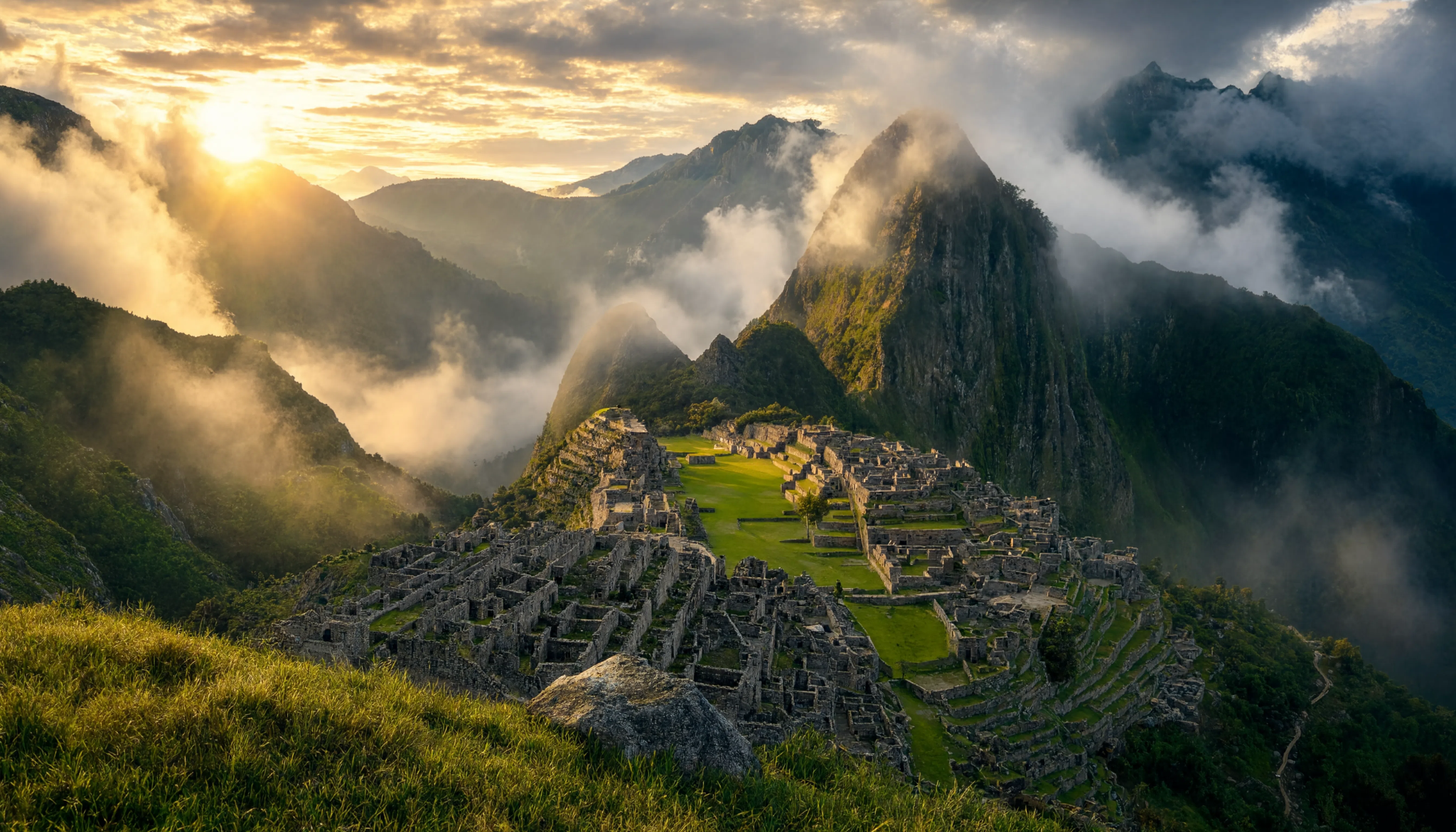
Best for: travelers with limited time who already understand that the day will be long and tightly scheduled. This plan usually depends on early transport, a timed entry, a guided visit and a return connection.
Warning: it is possible for some travelers, but it leaves little room for delays, altitude tiredness or weather changes.
Day 1: Travel from Cusco or Ollantaytambo toward Aguas Calientes/Machu Picchu Pueblo. Keep the day simple and use it for arrival, rest and ticket/entry readiness.
Day 2: Visit Machu Picchu with the correct ticket, route and time slot. Return after the visit or stay one more night if the schedule is slow.
Day 1: Arrive in Cusco and avoid overloading the day because altitude adjustment matters.
Day 2: Move toward the Sacred Valley or Aguas Calientes, depending on ticket timing and train availability.
Day 3: Visit Machu Picchu and keep enough buffer for return logistics.
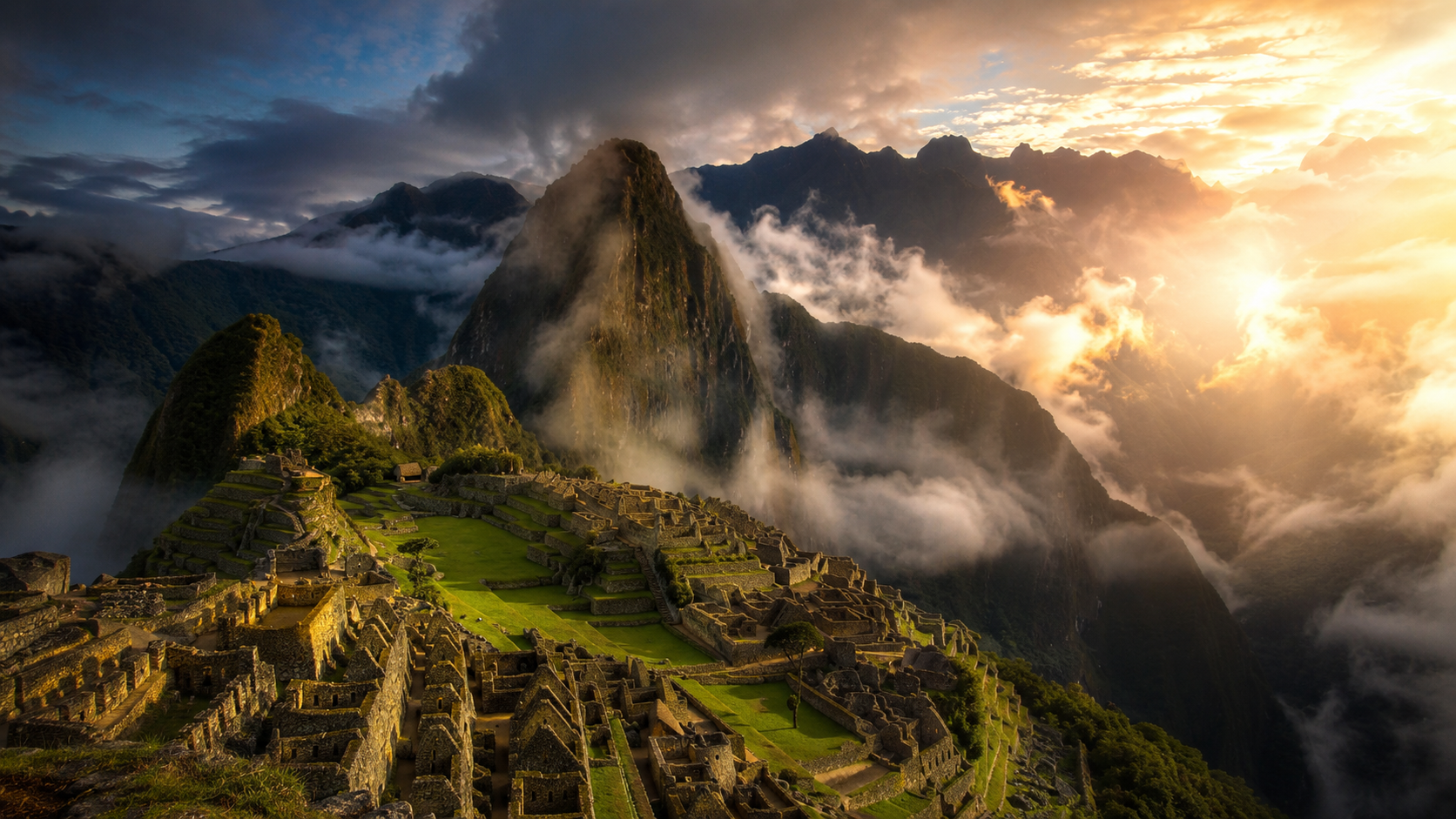
You do not need to hike the Inca Trail to see Machu Picchu. Many travelers use train and bus logistics through Aguas Calientes/Machu Picchu Pueblo. This is often better for families, first-time visitors and travelers who do not want a multi-day trek.
If the trip is built around the Inca Trail, Salkantay Trek, Huayna Picchu or another hiking route, permits, physical difficulty, weather and acclimatization become central. These should be checked early, not at the last minute.
The cheapest way is not always the safest or most comfortable way. Budget planning should compare tickets, train or transfer route, overnight stays, guide needs, meals and buffer time. Do not judge the trip by ticket price alone.