Machu Picchu, Peru
Machu Picchu is Peru’s iconic Inca citadel above the Urubamba Valley, famous for mountain scenery, stone terraces, sunrise views, timed tickets, train access from Cusco/Ollantaytambo and classic hikes such as the Inca Trail.
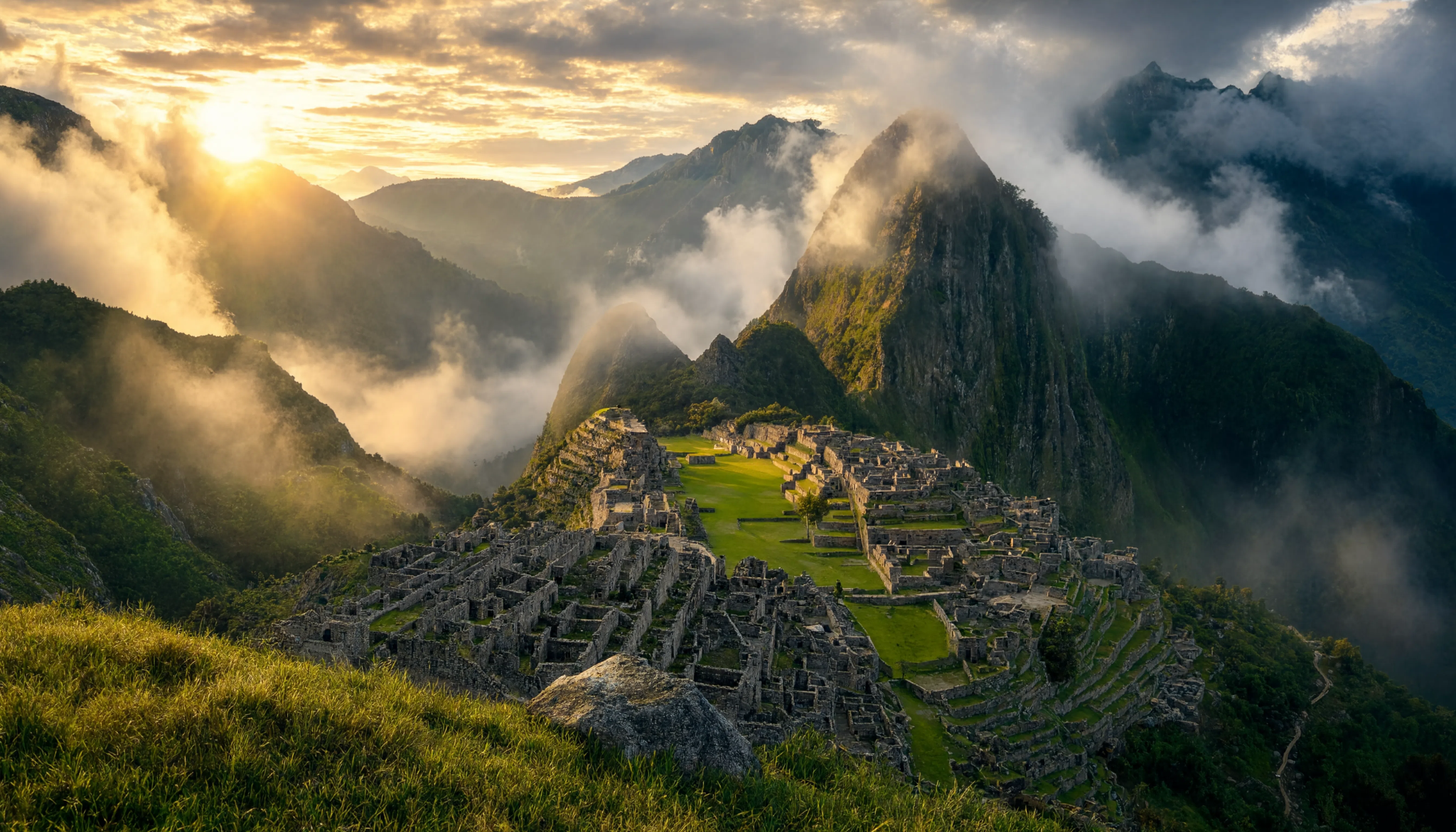

Machu Picchu is Peru’s iconic Inca citadel above the Urubamba Valley, famous for mountain scenery, stone terraces, sunrise views, timed tickets, train access from Cusco/Ollantaytambo and classic hikes such as the Inca Trail.
Machu Picchu is a high-value VoyaPlace topic because travelers ask practical questions before they ask poetic ones: how to buy tickets, how to get there from Cusco, whether they need a permit, how many days are needed, whether it can be done in one day, how hard the hikes are, where to stay near the site and whether the Inca Trail is necessary. The honest answer is that Machu Picchu is not just a viewpoint; it is a controlled archaeological visit with timed entry, routes, altitude, transport logistics and limited ticket availability. A good plan usually starts in Cusco, uses Ollantaytambo or Aguas Calientes/Machu Picchu Pueblo as a practical access point, and keeps enough buffer for train timing, weather and altitude adjustment.
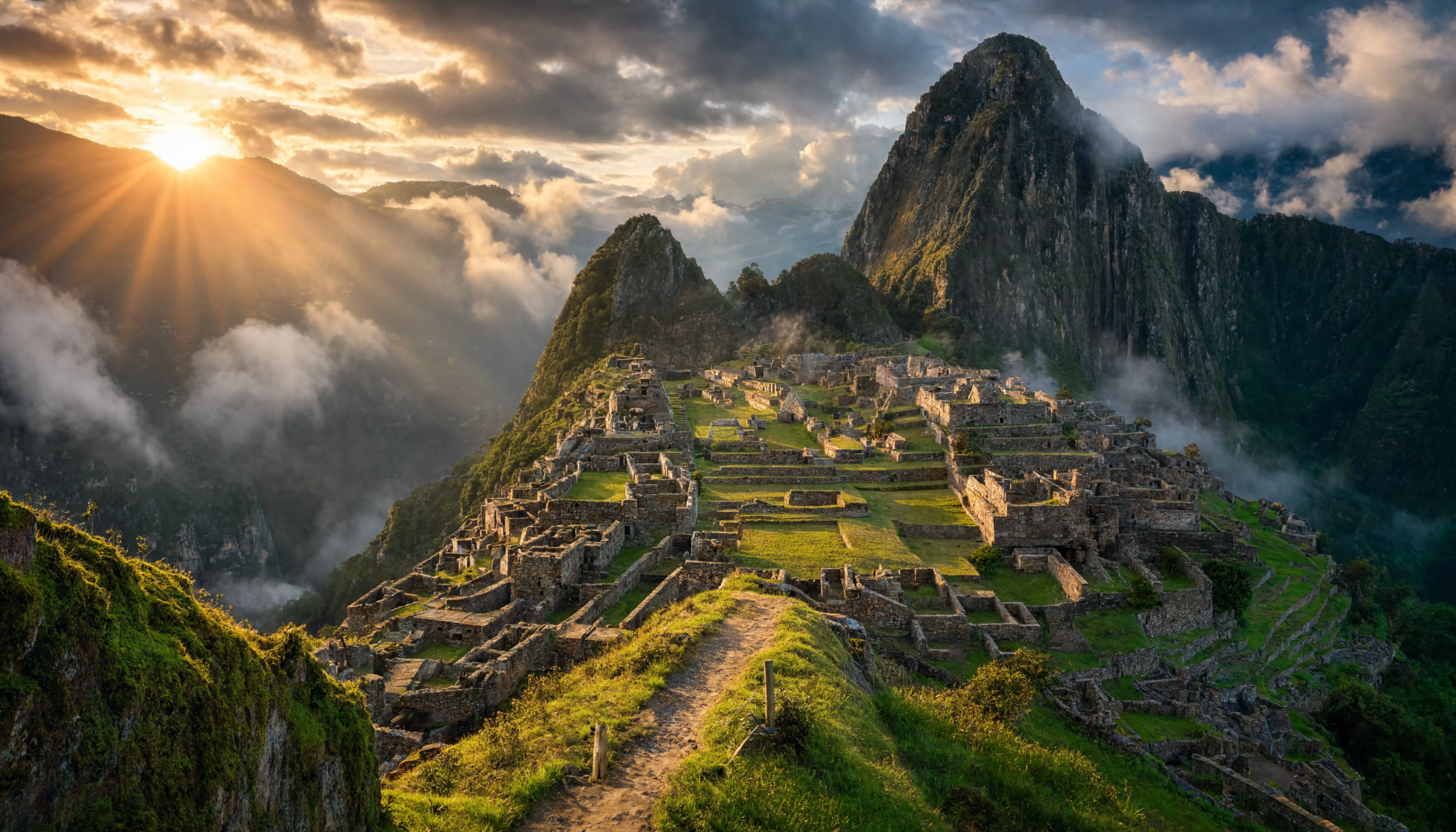
Machu Picchu combines Inca history, high mountain scenery, stone architecture, terraces, photography and a strong once-in-a-lifetime feeling. It works for history-focused travelers, hikers, photographers and first-time Peru visitors who are ready to plan carefully.
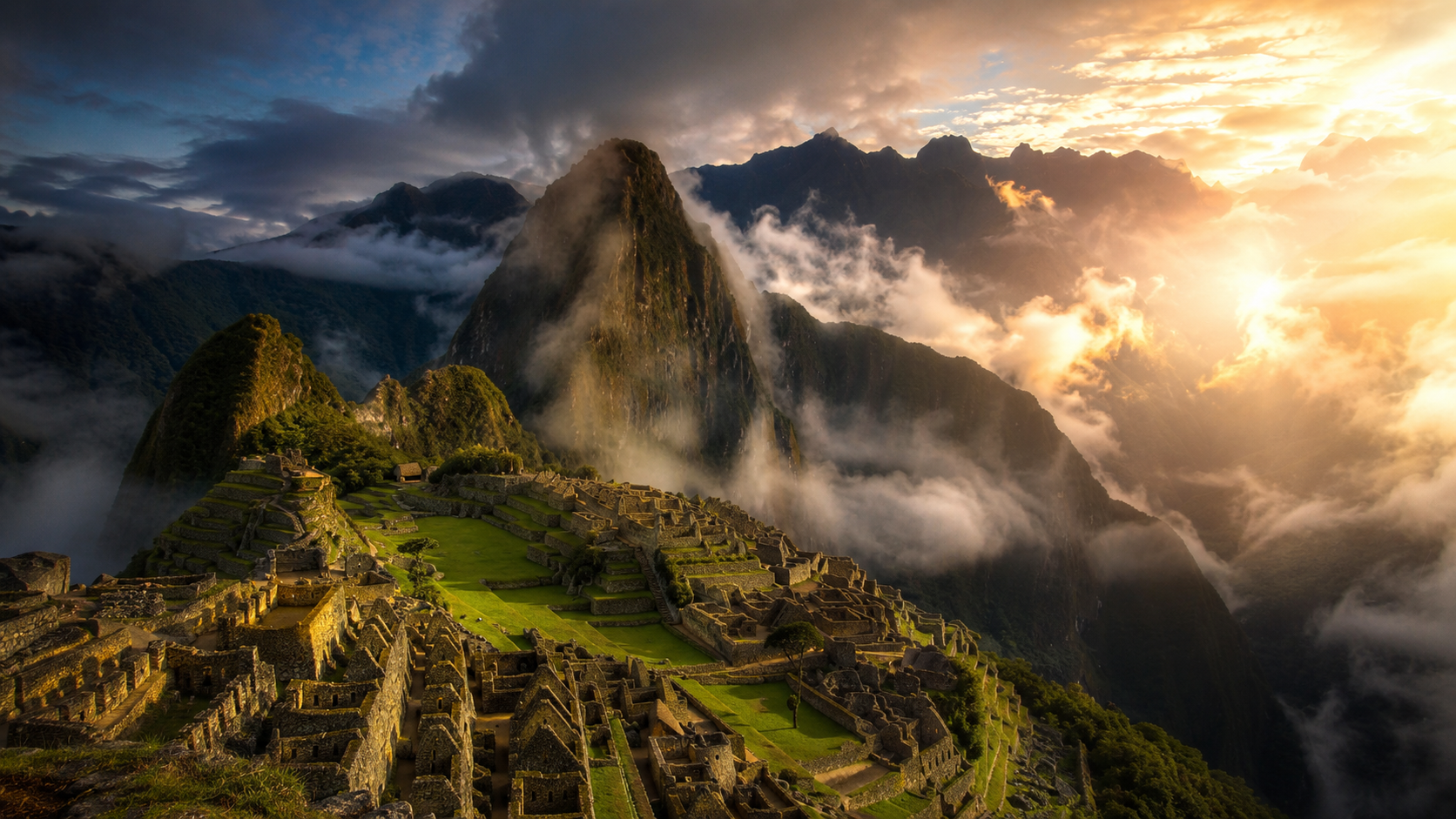
Best overall: May to September is usually the driest and easiest period for classic visits. Shoulder months: April and October can also be useful, depending on weather and ticket availability. Rain, clouds and route conditions can still vary, so final plans should be checked close to travel.
It can be, especially for older children and families who enjoy history and scenery. But it is not a simple stroller-friendly attraction. Timed entries, steps, altitude, crowd control and transport timing all matter.